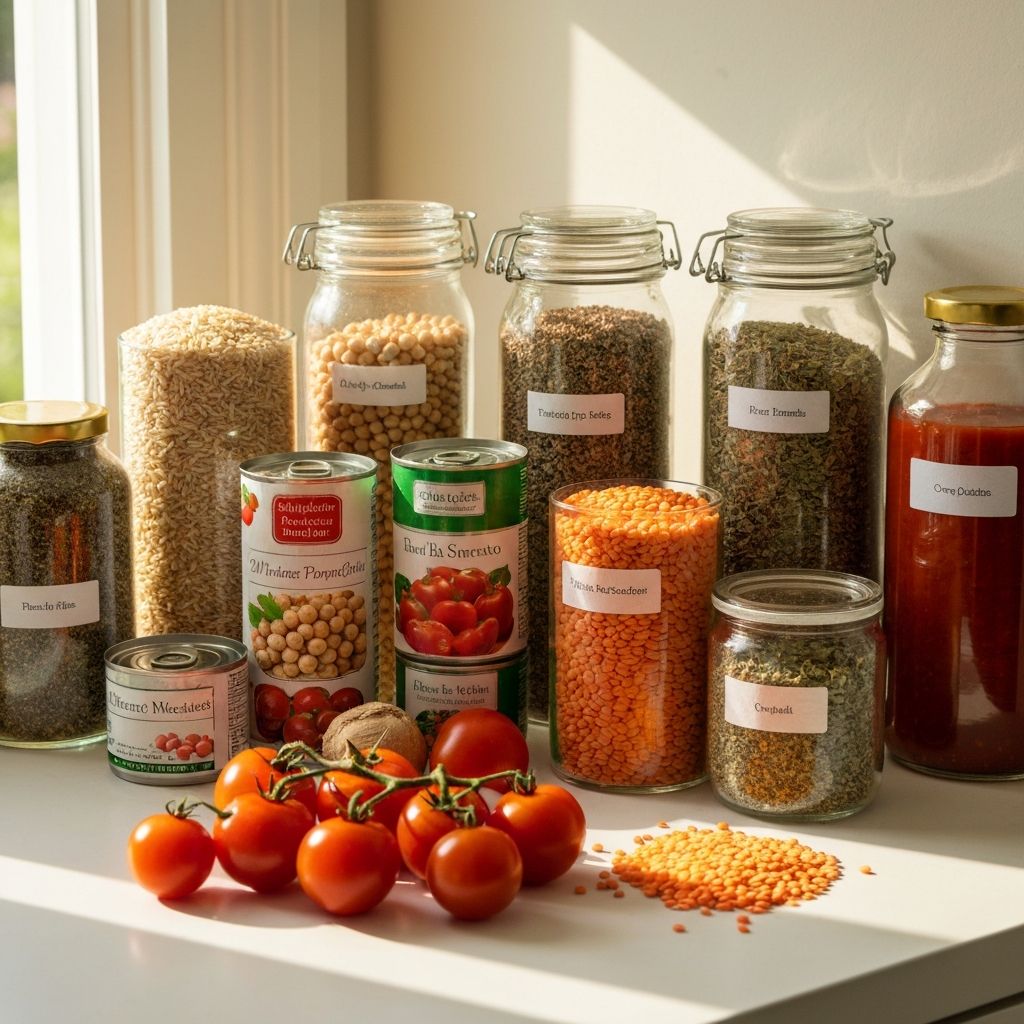
Understanding Dinner Pantry Essentials
Evening meals often involve more elaborate preparation than other daily meals, and pantry staples play a central role in dinner planning across many dietary traditions. Nutritional education discusses how these foundational ingredients support varied and balanced dinner meals.
This article provides educational information about commonly referenced food categories and does not constitute personalized dietary advice.
Foundation Grains
Grain products frequently serve as the foundation or accompaniment for dinner meals in nutritional discussions:
- Rice Varieties: Long-grain, short-grain, brown rice, and wild rice each serve different culinary purposes. Nutritionists note rice as a versatile dinner component that pairs with numerous preparations.
- Pasta: Whole grain pasta in various shapes supports different sauce types and dinner preparations. Educational materials often mention pasta as an accessible grain option.
- Quinoa: Increasingly discussed as a dinner grain that provides both carbohydrates and protein. It works as both a side dish and a meal base.
- Couscous and Bulgur: These quick-cooking grains appear in discussions about efficient dinner preparation.
Protein-Rich Legumes
Legumes represent important pantry-stable protein sources frequently discussed in dinner contexts:
- Dried and Canned Beans: Black beans, pinto beans, cannellini beans, and others serve as protein sources in numerous dinner preparations. Canned versions offer convenience while dried versions allow larger batch cooking.
- Lentils: Available in red, green, brown, and black varieties, lentils cook relatively quickly for a dried legume. They work in soups, stews, curries, and as side dishes.
- Chickpeas: Used in various cuisines for dinner dishes including curries, stews, and as components in grain-based meals.
Canned and Preserved Vegetables
Preserved vegetables extend dinner preparation options throughout the year:
- Canned Tomato Products: Whole tomatoes, diced tomatoes, crushed tomatoes, and tomato paste form bases for sauces, soups, and stews. Nutritionists frequently reference these as versatile dinner ingredients.
- Canned Vegetables: Green beans, corn, peas, and other vegetables provide convenient vegetable options. While fresh vegetables are often emphasized, canned versions maintain accessibility.
- Jarred Vegetables: Artichokes, roasted peppers, olives, and similar items add variety to dinner preparations.
Cooking Bases and Flavor Builders
Certain pantry items build flavor foundations for dinner dishes:
- Broths and Stocks: Vegetable, chicken, and beef stocks provide liquid bases for soups, stews, and cooking grains. Low-sodium versions allow control over salt content.
- Coconut Milk: Appears in discussions about plant-based dinner preparations and various international cuisines.
- Soy Sauce and Similar Condiments: Used for seasoning and adding depth to various dinner preparations.
- Tomato Paste: Concentrated flavor source for sauces and stews.
Herbs, Spices, and Seasonings
Dried herbs and spices enable flavor diversity in dinner cooking:
- Dried Herbs: Basil, oregano, thyme, rosemary, and others flavor various dinner dishes
- Spices: Cumin, paprika, turmeric, coriander, and other spices appear in different culinary traditions
- Garlic and Onion: While fresh versions are often preferred, dried forms provide pantry-stable alternatives
- Salt and Pepper: Fundamental seasonings in most cooking contexts
Oils and Fats
Cooking fats serve both functional and nutritional purposes in dinner preparation:
- Olive Oil: Frequently discussed in nutrition education for cooking and finishing dishes
- Vegetable Oils: Various oils serve different cooking purposes based on their properties
- Sesame Oil: Used for flavor in certain culinary traditions
Common Dinner Patterns
Nutritional education describes various patterns for combining pantry staples into dinner meals:
- Grain and Legume Combinations: Rice with beans, pasta with chickpeas, quinoa with lentils
- Soups and Stews: Legume-based soups with vegetables and grains
- Pasta Dishes: Grain pasta with tomato-based sauces and vegetables
- Curries and Braised Dishes: Legumes and vegetables in flavored broths or coconut milk
- Grain Bowls: Bases of grains topped with prepared legumes and vegetables
These patterns represent educational descriptions of common approaches rather than prescriptive recommendations. Cultural traditions, regional cuisines, and personal preferences create enormous diversity in dinner meal composition.
Meal Planning Considerations
Educational resources often discuss practical aspects of using pantry staples for dinner:
- Many pantry-based dinners can be prepared in similar timeframes to convenience foods
- Understanding basic cooking techniques expands the utility of fundamental ingredients
- Batch cooking grains and legumes supports multiple dinner meals
- Strategic pantry stocking enables dinner preparation without frequent shopping
Nutritional Balance
Nutrition educators commonly reference several principles when discussing dinner meal composition:
- Combining whole grains with legumes provides complementary amino acids
- Including vegetables adds fiber, vitamins, and minerals
- Using herbs and spices rather than excessive salt enhances flavor
- Portion awareness supports overall dietary balance
- Variety across different dinners provides diverse nutrients
These represent general educational concepts rather than specific guidelines universally applicable to all individuals and circumstances.