Understanding Essential Pantry Items

Educational content exploring how basic pantry staples form the foundation of balanced meals

Learn more
Educational content only. No medical services. No promises of outcomes.

Introduction to Pantry Basics

A well-stocked pantry contains the building blocks that many people use when preparing everyday meals. Understanding which items commonly appear in home kitchens helps explain how balanced nutrition often begins with simple, accessible ingredients.

This educational resource examines the categories of foods that nutritionists frequently discuss when explaining dietary diversity. From whole grains to legumes, these staples represent the foundation upon which varied meal plans are typically constructed.

The information presented here describes general patterns observed in nutrition education, without providing personalized advice or recommendations for individual circumstances.
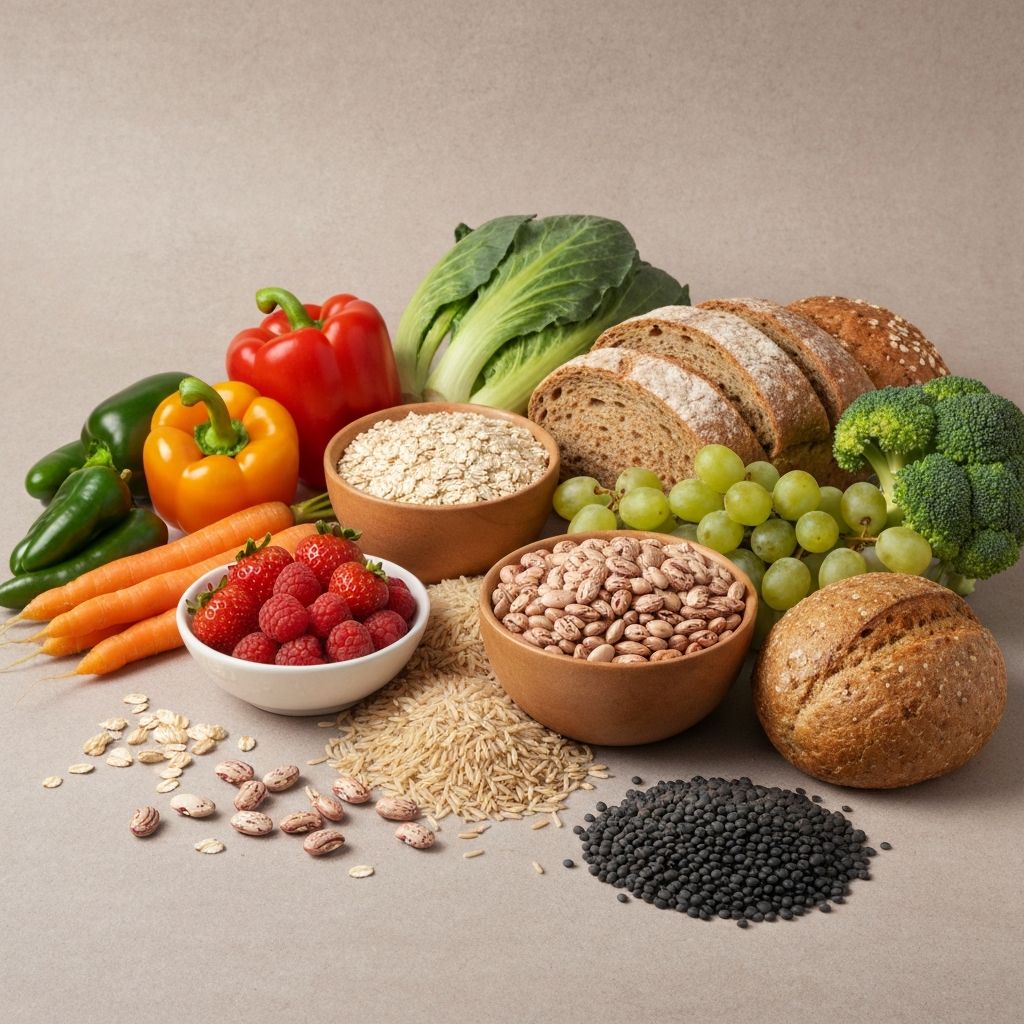
Basic pantry staples

Common Staple Foods for Balanced Nutrition

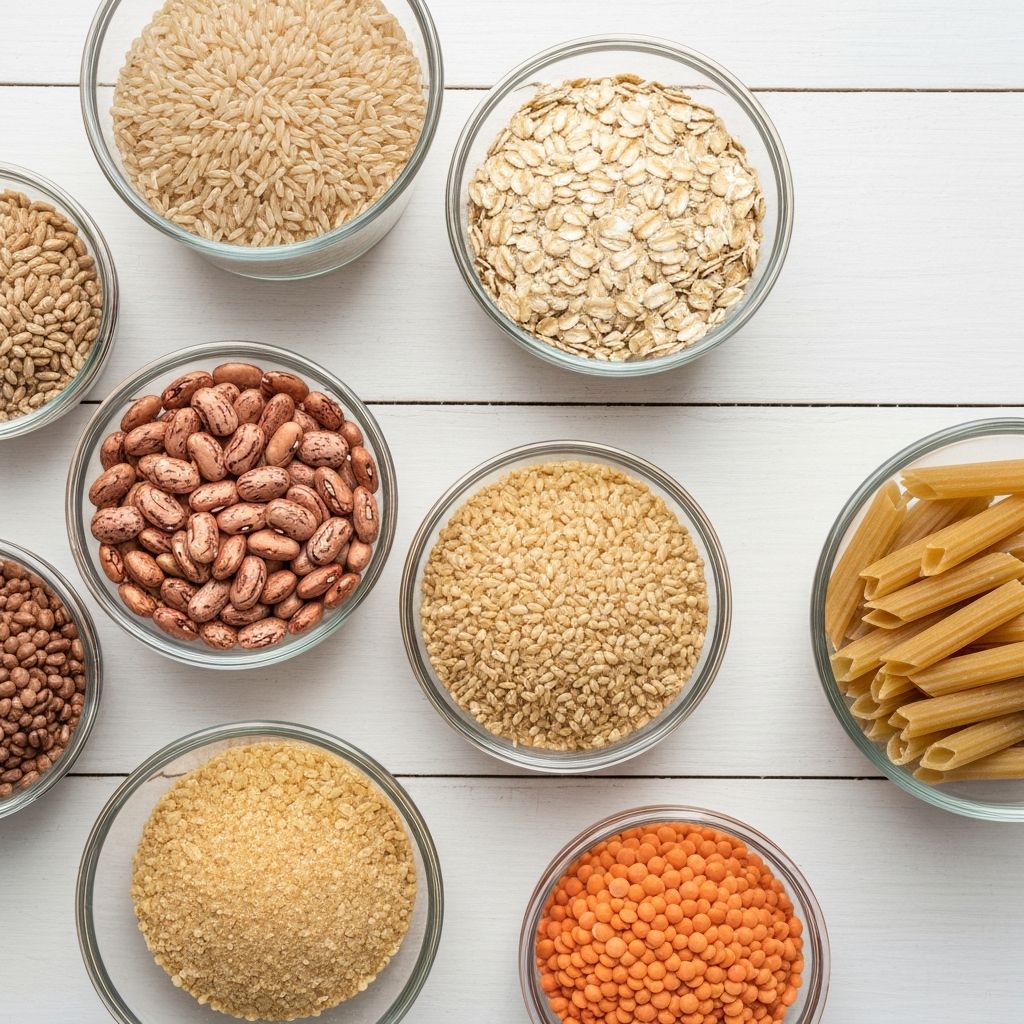
Staple foods for nutrition

Whole Grains

Rice, oats, quinoa, and whole grain pasta are frequently mentioned in discussions about complex carbohydrates and dietary fiber. These items appear regularly in educational materials about meal composition.

Legumes and Pulses

Beans, lentils, and chickpeas are commonly referenced as sources of plant-based protein and fiber. Nutritional education often includes these foods when explaining diverse protein sources.

Canned and Preserved Vegetables

Tomatoes, vegetables, and other preserved items extend the availability of produce throughout the year. Educational resources note these as practical options for maintaining vegetable intake.

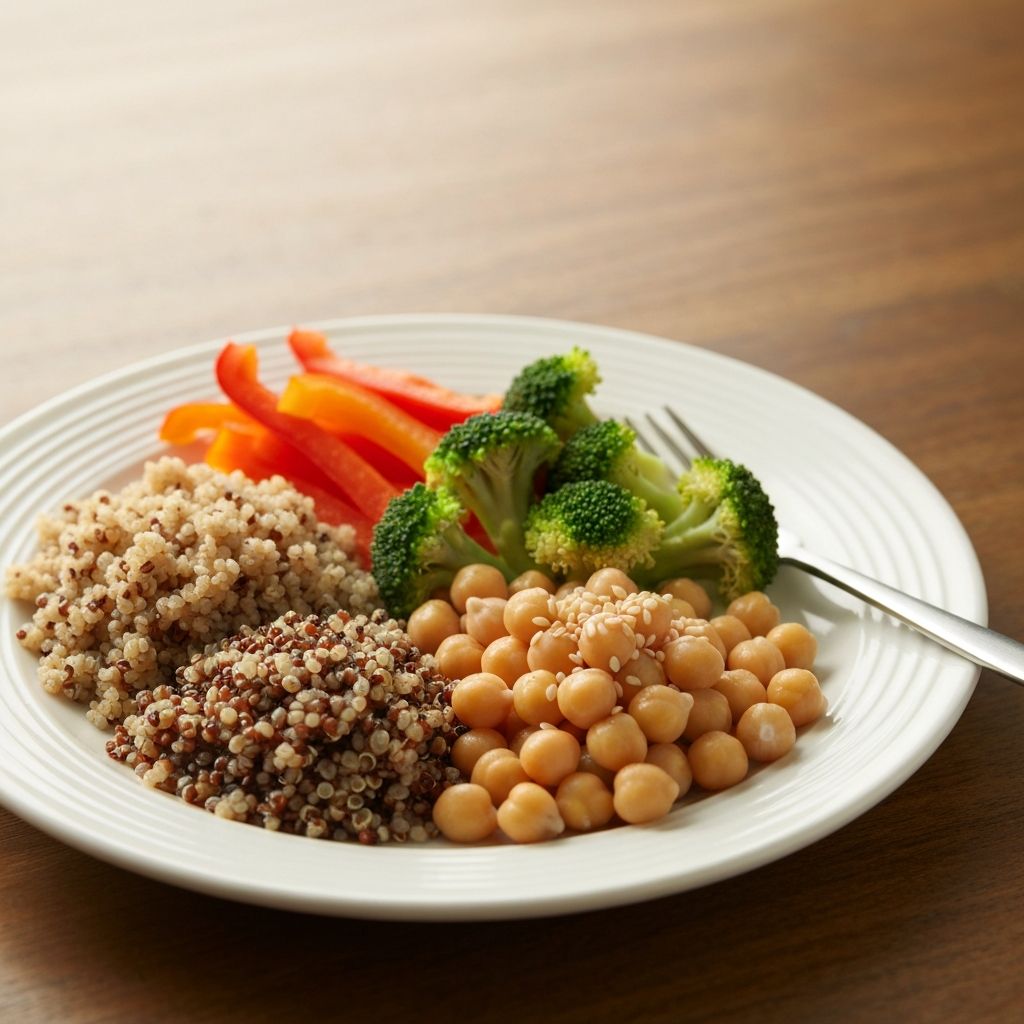
Examples of Meal Components from Pantry Essentials

Meal components from pantry

Nutritionists often explain balanced meals as combinations of different food groups. A typical explanation might include:

  • Whole grains providing complex carbohydrates and fiber
  • Legumes or other protein sources contributing essential amino acids
  • Vegetables offering vitamins, minerals, and phytonutrients
  • Healthy fats from sources like olive oil, nuts, or seeds

These combinations represent educational frameworks rather than prescriptive meal plans. Individual needs, preferences, and circumstances vary considerably.

Organizing Your Pantry for Everyday Meals

Storage Principles

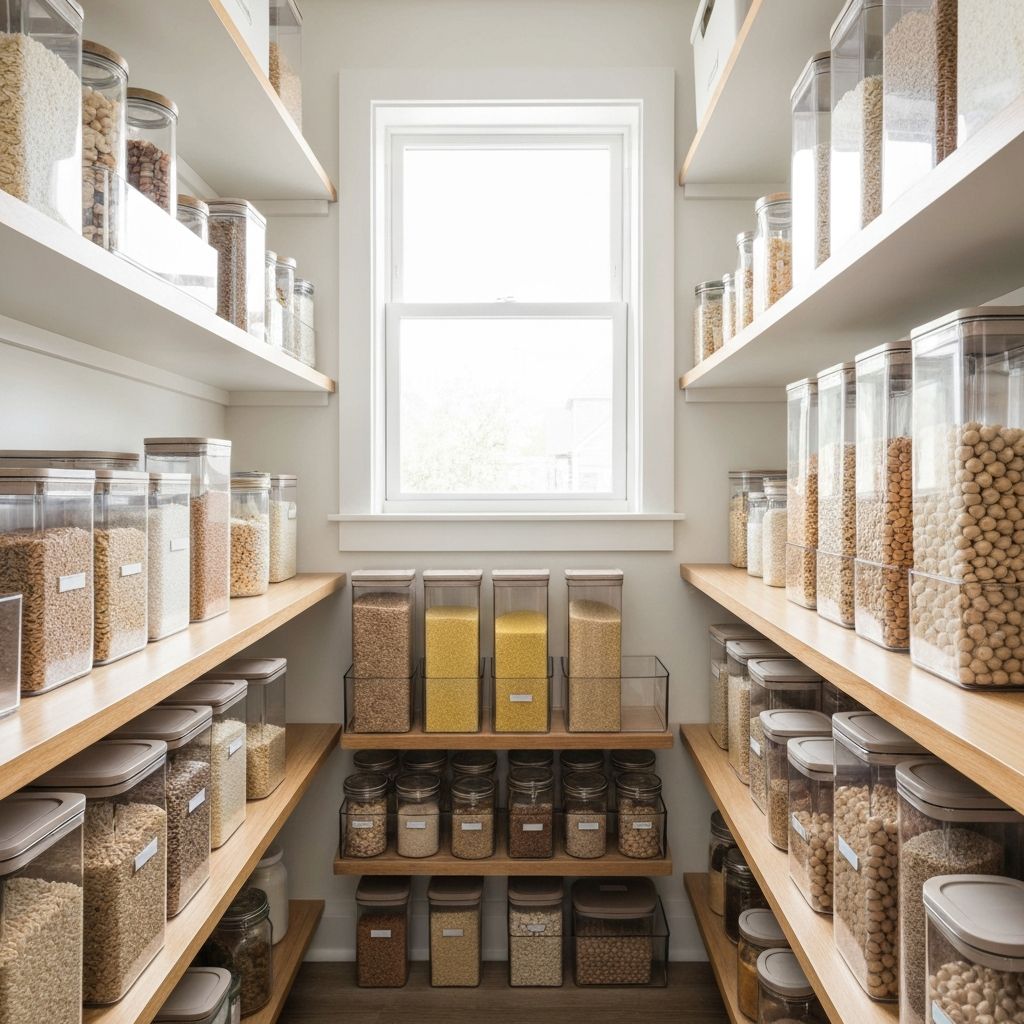
Food safety education commonly addresses proper storage of pantry items. Cool, dry locations away from direct sunlight help maintain food quality over time.

Clear containers and labeling systems are frequently suggested in household organization resources as methods for tracking inventory and expiration dates.

Inventory Management

Rotating stock and maintaining awareness of available ingredients helps reduce food waste, a topic often discussed in sustainability education.

Understanding what items are on hand supports meal planning, though approaches to planning vary widely based on individual circumstances and preferences.

Organized pantry

Explore Further Topics

Pantry Staples for Breakfast

Educational overview of common breakfast ingredients and how they are typically combined in morning meals.

Read in detail

Pantry Staples for Lunch

Examination of midday meal components commonly sourced from pantry essentials.

Read in detail

Pantry Staples for Dinner

Educational content about evening meal preparation using fundamental pantry ingredients.

Read in detail

Frequently Asked Questions

What is the purpose of this educational resource?

This website provides informational content about common pantry staples and their role in balanced nutrition. It is designed for educational purposes and does not offer personalized dietary advice, medical recommendations, or commercial services.

Does this site provide dietary recommendations?

No. The content describes general nutritional concepts and common food categories as explained in educational contexts. It does not prescribe specific diets, meal plans, or individualized recommendations.

Who creates the content on PantryGuide?

The educational materials draw from publicly available nutrition education resources and general knowledge about food categories. This is an informational website, not a professional consultation service.

How should I use this information?

The content is intended to explain concepts related to pantry organization and food categories. For personalized dietary guidance, individuals should consult qualified professionals familiar with their specific circumstances.

Is this site affiliated with any commercial services?

No. PantryGuide is an independent educational resource. It does not sell products, promote specific brands, or offer commercial services.

Educational Context and Limitations

The information presented on PantryGuide is provided for educational purposes only. This website does not offer medical advice, dietary prescriptions, therapeutic recommendations, or individualized guidance.

Nutritional needs vary significantly based on individual health status, lifestyle, preferences, and circumstances. The content here describes general concepts and should not replace consultation with qualified professionals.

This resource explains commonly discussed food categories and nutritional concepts without making promises about outcomes or results. Different approaches to nutrition exist, and what works varies from person to person.

For questions specific to your situation, please consult appropriate healthcare or nutrition professionals who can consider your individual needs.